
June 4, 2026
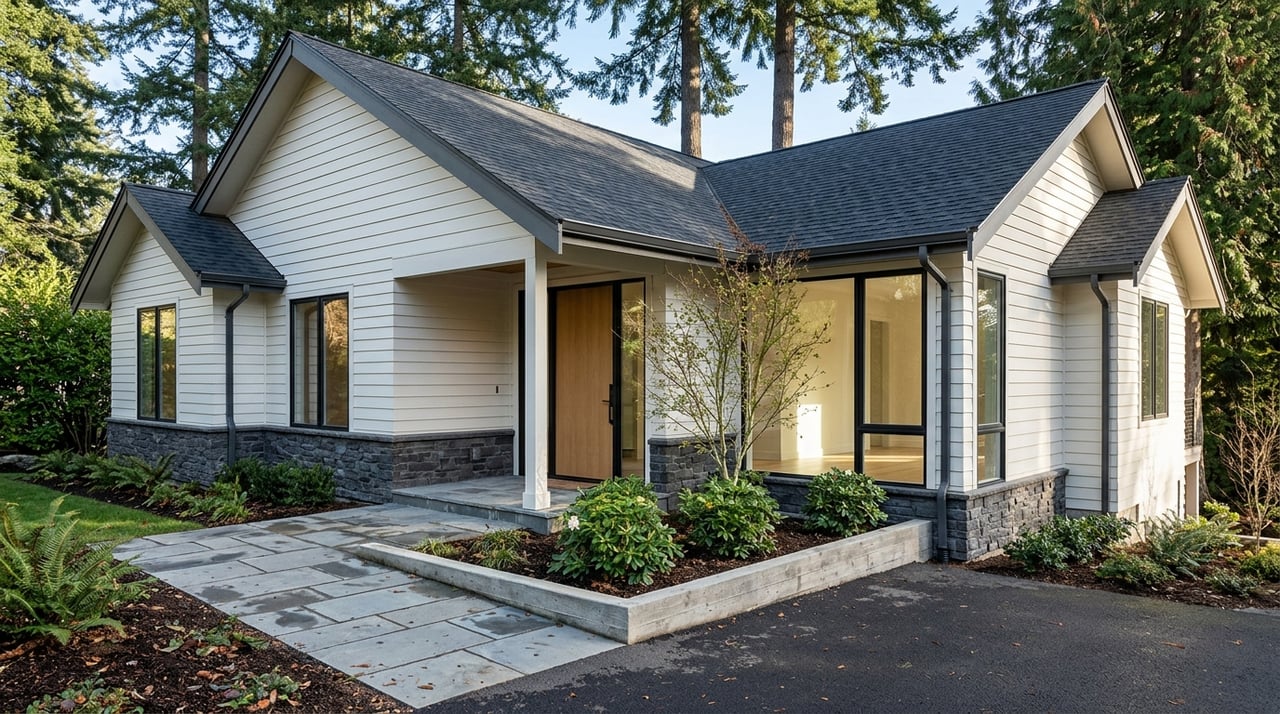
Moving to the Eastside can feel simple on a map and surprisingly complex in real life. Bellevue, Redmond, Kirkland, Issaquah, and Sammamish sit close together, but they offer very different daily routines, housing options, and commute patterns. If you are trying to narrow your search, the biggest advantage is understanding how each area actually lives, not just where it sits. Let’s dive in.
The first thing to know is that the Eastside is not one uniform market. According to city planning and community profiles, Bellevue and Redmond function as the strongest job and transit cores, Kirkland blends waterfront areas with compact mixed-use centers, Issaquah balances suburban living with strong express bus access, and Sammamish remains the most residential and auto-oriented of the five.
That matters when you relocate because your day-to-day experience changes dramatically by city. In one area, you may be able to live near light rail or a walkable center. In another, you may trade that convenience for more residential surroundings, parks, lakes, or a quieter neighborhood setting.
Bellevue is one of the most layered Eastside markets. Downtown is the city’s primary economic and employment center, but outside the core, Bellevue still describes many areas as woodsy neighborhoods with a broad trail network and a more small-town feel.
For buyers, the biggest takeaway is variety. You can find urban condos and apartments near downtown, higher-density mixed-use housing along the rail corridor, and premium single-family neighborhoods in areas such as West Bellevue. That makes Bellevue less of a single market and more of a collection of submarkets.
The central corridor is now the city’s most transit-oriented area. The 2 Line serves South Bellevue, downtown Bellevue, BelRed, Overlake, and the Seattle crossing, which gives buyers more options if they want to stay close to jobs, retail, dining, and regional connections.
Bellevue also has one of the shortest average commute times in this group at 23.6 minutes. If your priority is convenience, access to major employers, and a broad range of housing types, Bellevue usually belongs near the top of your list.
Bellevue’s recent median sale price is about $1.5 million, but that citywide number only tells part of the story. Downtown Bellevue’s median sale price was $845,000, while West Bellevue’s was $3.1 million. If you are relocating, this is an important reminder that your experience in Bellevue will depend heavily on the specific neighborhood and housing type you choose.
Redmond is another strong choice for buyers who want convenience and access to major employment centers. The city has two urban centers, Downtown and Overlake, and both support a more connected, mixed-use lifestyle than many people expect from a suburban market.
Downtown Redmond includes nearly 6,000 residents and more than 10,000 jobs, along with shopping, dining, parks, frequent bus service, and light rail. The Eastside 2 Line opened in 2024, and the full East Link connection across Seattle opened on March 28, 2026.
Outside its urban centers, Redmond becomes more suburban. The city describes Education Hill as one of its largest residential neighborhoods with largely low- to moderate-density housing, while Southeast Redmond includes a mix of business parks, industry, retail, and moderate-density residential areas.
That split is useful for relocating buyers. If you want rail access and a more urban setup, Downtown or Overlake may fit better. If you want a more traditional residential pattern, areas outside the core may feel more comfortable.
Redmond’s recent median sale price is about $1.4 million, but Downtown Redmond’s median sale price was $595,000. That gap shows how rail-adjacent multifamily options can sit well below broader detached-home pricing in the city.
Redmond also posts the shortest mean travel time to work among these Eastside cities at 23.2 minutes. For many relocation clients, that combination of transit, employment access, and housing variety makes Redmond a practical starting point.
Kirkland stands out for a different reason. Its planning centers on Greater Downtown Kirkland and Totem Lake, and the city emphasizes walkable, bikeable, transit-oriented neighborhoods connected to waterfront access and mixed-use activity centers.
If your ideal Eastside move includes being near shops, restaurants, parks, and the lake, Kirkland often feels distinct. The city highlights Downtown, Village at Totem Lake, and Juanita Village as important mixed-use centers, which helps explain why many buyers see Kirkland as one of the more walkable Eastside choices.
Kirkland’s transit story is still evolving. The planned RapidRide K Line is scheduled for 2030 and would connect Totem Lake, downtown Kirkland, downtown Bellevue, and Eastgate.
In the meantime, Kirkland already functions well for buyers who value a more compact lifestyle in key areas, even without the same rail profile as Bellevue or Redmond. Its average commute time is 23.9 minutes, which keeps it competitive for many daily routines.
Kirkland’s recent median sale price is about $1.4 million, close to Redmond and slightly below Bellevue’s citywide median. If you are comparing cities at a high level, Kirkland often appeals to buyers who want a balance of lifestyle appeal and access, especially if waterfront parks and walkable centers matter more than rail service today.
Issaquah offers one of the most balanced relocation stories on the Eastside. It combines several distinct subareas, including Olde Town, Issaquah Highlands, North Issaquah, and Central Issaquah, each with a different feel and housing pattern.
Olde Town is the historic downtown with a smaller-scale setting. Issaquah Highlands is an Urban Village with more than 4,000 homes, open space, retail, and transit options. North Issaquah includes condo and townhome development plus retail, while Central Issaquah is the city’s large commercial core planned for mixed-use growth, housing, jobs, and rapid transit.
Transit is one of Issaquah’s strongest practical advantages. The city says it has two major transit centers, with express buses reaching downtown Bellevue in 20 minutes and downtown Seattle in 30 minutes.
That gives Issaquah a useful position in the Eastside conversation. It can offer a more suburban setting than Bellevue or Redmond while still providing strong regional bus connections. For many households, that creates a middle ground between space and accessibility.
Issaquah’s recent median sale price is about $1.0 million, which is lower than Bellevue, Kirkland, Redmond, and Sammamish in the current data set. Its census owner-occupied value is also lower at $963,000.
That does not make Issaquah uniform or simple, but it does mean buyers may find more flexibility here than in some of the Eastside’s higher-priced markets. If you want distinct neighborhood options and practical bus access, Issaquah deserves close attention.
Sammamish is the clearest contrast to Bellevue and Redmond. The city is more residential, more auto-oriented, and shaped by parks, lakes, and neighborhood living rather than a dense urban core.
Its long-term growth strategy focuses on Town Center, which is intended to absorb a significant share of future residential and commercial growth while preserving neighborhood character. The city’s zoning also allows for detached and attached single-family homes, ADUs, and middle housing in Neighborhood Residential areas.
Transportation is the main trade-off. Sammamish says it has relatively unconnected streets, limited transit service, and no freeway running through the city. Local options include routes 216, 269, and 554, along with commuter-support programs such as vanpooling.
That helps explain why Sammamish has the longest mean travel time to work in this group at 31.3 minutes. If you move here, you are often prioritizing residential stability, parks, and lake-oriented surroundings over speed and transit access.
Sammamish has the highest recent median sale price in this comparison at about $1.59 million. Its census owner-occupied value is also the highest at $1,407,300, and the owner-occupied rate is 82.6%.
For relocating buyers, Sammamish often makes the most sense when your priority is a residential setting first. If your lifestyle leans toward space, neighborhood continuity, and outdoor access, the trade-offs may feel worthwhile.
Here is a simple way to think about the five cities:
| City | Best known for | Transit profile | Recent median sale price |
|---|---|---|---|
| Bellevue | Job center, downtown core, broad housing mix | Strongest rail-oriented central corridor | $1.5M |
| Redmond | Tech employment, mixed-use centers | Light rail, bus service, strong urban cores | $1.4M |
| Kirkland | Waterfront access, walkable centers | Transit developing, RapidRide planned | $1.4M |
| Issaquah | Subarea variety, express bus access | Two transit centers, strong regional buses | $1.0M |
| Sammamish | Residential setting, parks, lakes | Limited transit, more car-dependent | $1.59M |
When you relocate to the Eastside, the smartest question is not which city is best. It is which trade-offs match the way you want to live.
If you want the most transit support and daily convenience, Bellevue and Redmond usually rise to the top. If you want waterfront access and walkable mixed-use centers, Kirkland often stands out. If you want a balance between suburban living and regional bus access, Issaquah can be a strong fit. If you want a more residential environment with parks, lakes, and neighborhood stability, Sammamish may feel most aligned.
The right move often comes down to how you rank commute, housing type, neighborhood setting, and long-term lifestyle. That is where local guidance matters most, especially when the Eastside can shift so much from one submarket to the next.
If you are planning a move to Bellevue, Sammamish, or elsewhere on the Eastside, The Schuler Team LLC can help you compare neighborhoods, refine your search, and navigate your relocation with clear, data-driven guidance.
October 15, 2026
October 8, 2026
October 1, 2026
September 24, 2026
September 17, 2026
September 10, 2026
September 3, 2026
August 27, 2026
August 20, 2026
Whether buying or selling, Michele and her team deliver unmatched service, helping you find your dream home or maximize your property’s value. With a focus on building lifelong relationships, we make your real estate journey seamless and rewarding. You’re more than a transaction – you’re family. Let’s connect and get started today!