
March 5, 2026
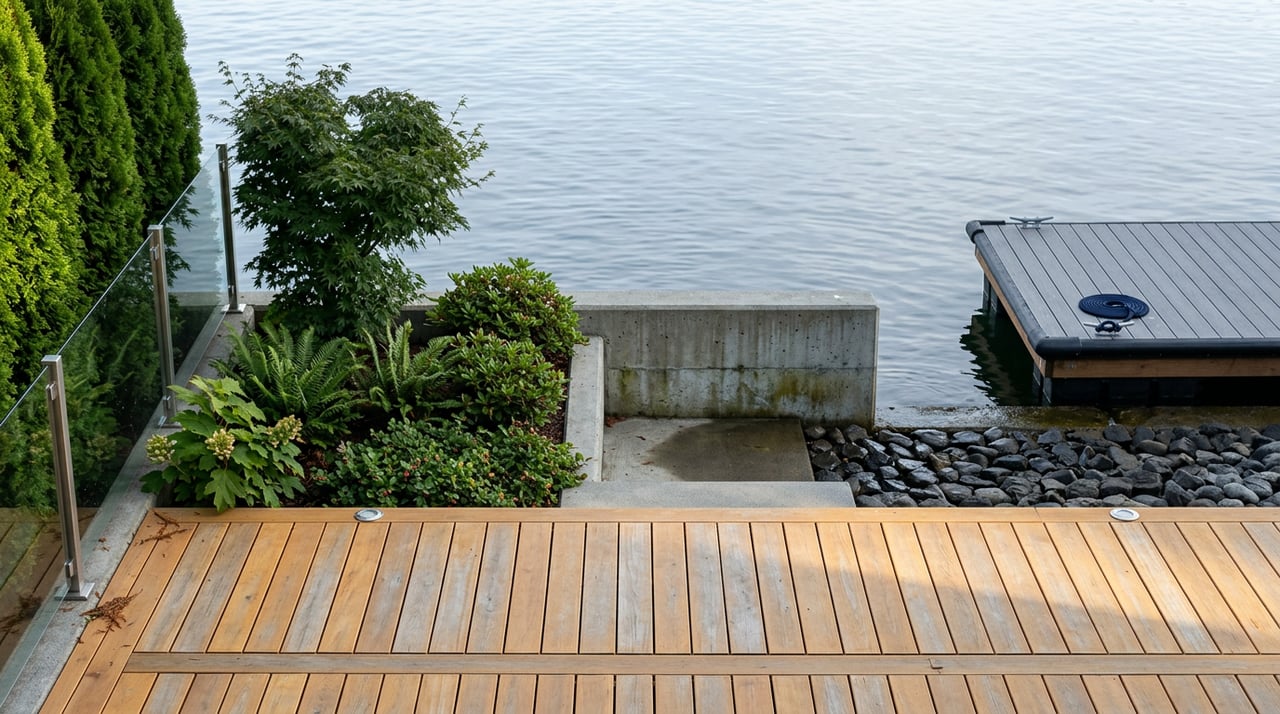
Waking up to Lake Washington outside your window is the dream. Buying on the water in Enatai can deliver that lifestyle, but it also brings unique rules, inspections, and timelines that smart buyers plan for early. If you want your dock to fit your boat, your views to last, and your renovation plans to stay on schedule, a little homework goes a long way. This guide gives you a clear, actionable path through Enatai’s shoreline realities, permits, inspections, and pricing context so you can buy with confidence. Let’s dive in.
Enatai sits on the Lake Washington shoreline just southwest of downtown Bellevue. You get quick access to parks and paddling, including the community hub at Enatai Beach Park, which offers a swim area, seasonal dock, and non‑motorized launch. This is a neighborhood where being on or near the water is part of daily life.
Across Lake Washington’s east side, much of the shoreline has been hardened over time with bulkheads or rip‑rap. That context matters when you compare homes. Natural, low‑bank frontage with easy beach access is comparatively scarce and often commands a premium. In Enatai you will see a mix of public park frontage, private low‑bank lots, and many single‑family parcels with bulkheads, small docks, or shared moorage. Conditions vary lot by lot, which is why parcel‑level review is essential.
View orientation depends on the block and home design, with many homes offering east‑facing Cascade views or west‑facing lake and sunset aspects. View permanence is not protected by generic city law. If a view matters to you, look for recorded view easements, tree or vegetation restrictions, or HOA covenants that spell it out.
Within Bellevue’s shoreline zones, vegetation conservation rules can limit aggressive tree removal, which may affect your ability to expand or open views. Before you plan view work, review the city’s shoreline standards in Bellevue Land Use Code 20.25E.065 and confirm what is allowed on your specific parcel.
Shoreline work sits inside a multi‑agency framework. Before you buy, confirm a dock’s permit history and what you can change:
Bellevue’s shoreline code sets clear limits buyers should know:
These rules live in LUC 20.25E.065 and often drive value. Older docks that exceed today’s size limits may be legal nonconforming. Any change or replacement often triggers new permit review, so verify as‑built drawings and permits early.
Even straightforward dock projects run on shoreline time. WDFW’s process follows the state rules in WAC 220‑660, and in‑water work windows on Lake Washington are typically limited to summer months to protect fish. Many HPAs are processed in weeks once complete, but your actual construction may still need to wait for the seasonal window. If you plan to rebuild or reconfigure a dock after closing, start permit work early in the calendar year.
Waterfront systems deserve specialized eyes. Hire a marine contractor or engineer to evaluate the dock and pilings, including rot, pile condition, fasteners, concrete, and any boatlift and electrical. Ask for the dock’s as‑built drawings and any service records.
Have a seawall or bulkhead specialist inspect for undermining, seepage, outfalls, and prior repairs. Where bulkheads are near end of life, replacements can involve shoreline permits and WDFW approvals. For sloped or bluff sites, bring in a geotechnical engineer to assess slope stability and foundation risks. Bellevue’s shoreline standards can also trigger geotechnical reports for redevelopment, so review LUC 20.25E.065 with your consultants.
Request the full paper trail during your contingency period. That includes city shoreline and building permits, WDFW HPA documents, any DNR lease or authorization, and federal approvals if listed. Confirm recorded easements or CC&Rs for shared docks and any maintenance agreements for community moorage. The city’s shoreline permit portal is a good starting point.
If a dock crosses state aquatic lands, verify whether a DNR authorization exists and if it transfers with the sale. Do not assume it does. Start with the DNR Shoreline District resources and ask your title officer for recorded documents.
Check the property’s FEMA flood zone using the official Flood Map Service Center and ask your lender and insurer for a pre‑quote. Low‑bank and near‑water structures may face higher premiums or lender conditions. Also review any habitat‑related permit conditions, like light‑permeable decking or mitigation plantings, which affect costs and schedules. You can find technical requirements and timing rules in WAC 220‑660.
Shoreline projects often layer reviews: city shoreline review, WDFW HPA, possible DNR lease, and sometimes federal coordination. Maintenance may be simpler, but any reconfiguration or expansion can add months before construction. Build realistic timelines and use contingencies that reflect permitting complexity. The city’s shoreline permit guide outlines the steps to expect.
Enatai pairs a quiet, park‑forward setting with immediate lake access. You can swim or launch a paddleboard from Enatai Beach Park and reach Mercer Slough’s calm waters for canoeing or kayaking. With direct I‑90 access, trips to Seattle are straightforward when traffic cooperates. If you want a suburban waterfront feel with strong park amenities, Enatai is a compelling match.
Neighborhood snapshots place Enatai’s average sale price in the mid 4 to 5 million dollar range, with waterfront and trophy estates trading higher based on frontage, dock status, bank type, and view. See the market overview on Realogics Sotheby’s Enatai page for context. Meydenbauer Bay, which is closer to downtown Bellevue’s dining and shopping, typically sits at a higher price tier. Whatever you target, rely on parcel‑level comps that match your lot’s waterfront features rather than neighborhood medians.
Buying on the water rewards careful planning. When you understand Enatai’s shoreline standards, the permit stack, and the inspections that matter, you protect your lifestyle goals and your investment. Our team pairs data‑driven valuation and negotiation with concierge coordination of inspections, vendors, and scheduling so your move feels seamless.
If you are exploring Enatai waterfront or near‑water opportunities, schedule a private consultation with The Schuler Team LLC. We will help you confirm what is possible on a specific lot, align the property with your boating and lifestyle needs, and position your offer with waterfront‑savvy terms.

October 15, 2026
October 8, 2026

October 1, 2026
September 24, 2026
September 17, 2026
September 10, 2026
September 3, 2026
August 27, 2026
August 20, 2026
Whether buying or selling, Michele and her team deliver unmatched service, helping you find your dream home or maximize your property’s value. With a focus on building lifelong relationships, we make your real estate journey seamless and rewarding. You’re more than a transaction – you’re family. Let’s connect and get started today!